
2025 - CASE STUDY
Replatforming VentureBeat
The work ran in two stages. First, I led product design for VentureBeat’s move off a nearly 20-year-old WordPress CMS onto a headless Contentful platform — defining the information architecture, responsive templates, and design system under a tight, fixed deadline. Then I led a team of designers in turning audience data and editorial insight into a redesign concept for the platform’s next chapter.
Impact: Successful MVP launch and approximately 30% growth in returning users after launch
ROLE
Lead Product Designer
TEAM
Product, engineering, editorial, marketing, business
SCOPE
Website migration, responsive product design, design system
RESPONSIBILITIES
Discovery, requirements, IA, user flows, wireframes, UI, documentation
STAGE 1
Replatforming under a hard deadline
Migrating nearly two decades of publishing — 130,000+ articles — from an aging WordPress CMS to a headless Contentful stack, while preserving every URL, SEO ranking, and editorial workflow. Two immovable deadlines framed every design decision.
CONTEXT
A newsroom that outgrew its platform
VentureBeat is a high-volume technology publication supporting articles, news, events, videos, sponsored content, topic pages, author profiles, and other editorial formats.
The website had grown over nearly two decades on a WordPress CMS stretched well past its original purpose — rigid content structures, inconsistent visual patterns, and a platform that made any broader redesign hard to scale. Moving to a headless Contentful stack was the chance to rebuild the underlying product foundation rather than simply reproduce the legacy site.
Articles
News
Events
Videos
Sponsored content
Topics
Authors
Jobs
Newsletters
Legacy Pages
Ten-plus content types, each with its own structure, hierarchy, and responsive behavior.
THE PRODUCT CHALLENGE
Three problems, one migration
01 · A fragmented reader experience
Similar content types used inconsistent hierarchy, navigation, modules, and responsive behavior.
02 · A complex publishing ecosystem
The product needed to support many page types, commercial requirements, editorial formats, live events, video, sponsored content, and legacy content.
03 · Migration without disrupting the business
Over 130,000 articles spanning ~20 years had to move without breaking SEO, URLs, or editorial workflows — against a six-week investor demo and a hard hosting cutoff. I had to define an achievable MVP that protected the business.
How might we migrate a large publishing platform while creating a more coherent reader experience — and a system that could support future growth?
Constraints
130,000+ legacy articles
Many page types and edge cases
Multiple stakeholder groups
Advertising and sponsored-content requirements
Desktop and mobile responsiveness
Two hard deadlines: demo + cutoff
MVP vs. future-state scope
MY ROLE & OWNERSHIP
End-to-end product design ownership
I was the primary product designer for the migration. I translated business and editorial needs into product requirements, mapped the platform architecture, designed responsive experiences, established the design system, and worked closely with engineering through implementation and launch.
I also helped identify and introduce the engineering team that ultimately implemented the migration.
Discovery
Requirements
Architecture
Flows
Templates
Design system
Handoff
QA
Launch
UNDERSTANDING THE SYSTEM
Mapping the platform before designing it
I inventoried the existing website, grouped content and page types into families, identified which templates shared structures and which required unique logic, and separated MVP requirements from future-state improvements.

I mapped the existing platform to understand relationships between content types, identify reusable structures, and define the minimum template set required for migration.
Simplified reconstruction based on project documentation and final designs.
DEFINING THE MVP
Deciding what ships, what improves, what waits

The goal was not to redesign every possible experience before launch. I defined a coherent MVP that preserved business-critical functionality while introducing a stronger foundation for future iterations.
08 — EVENTS
Extending the brand into conferences and live events
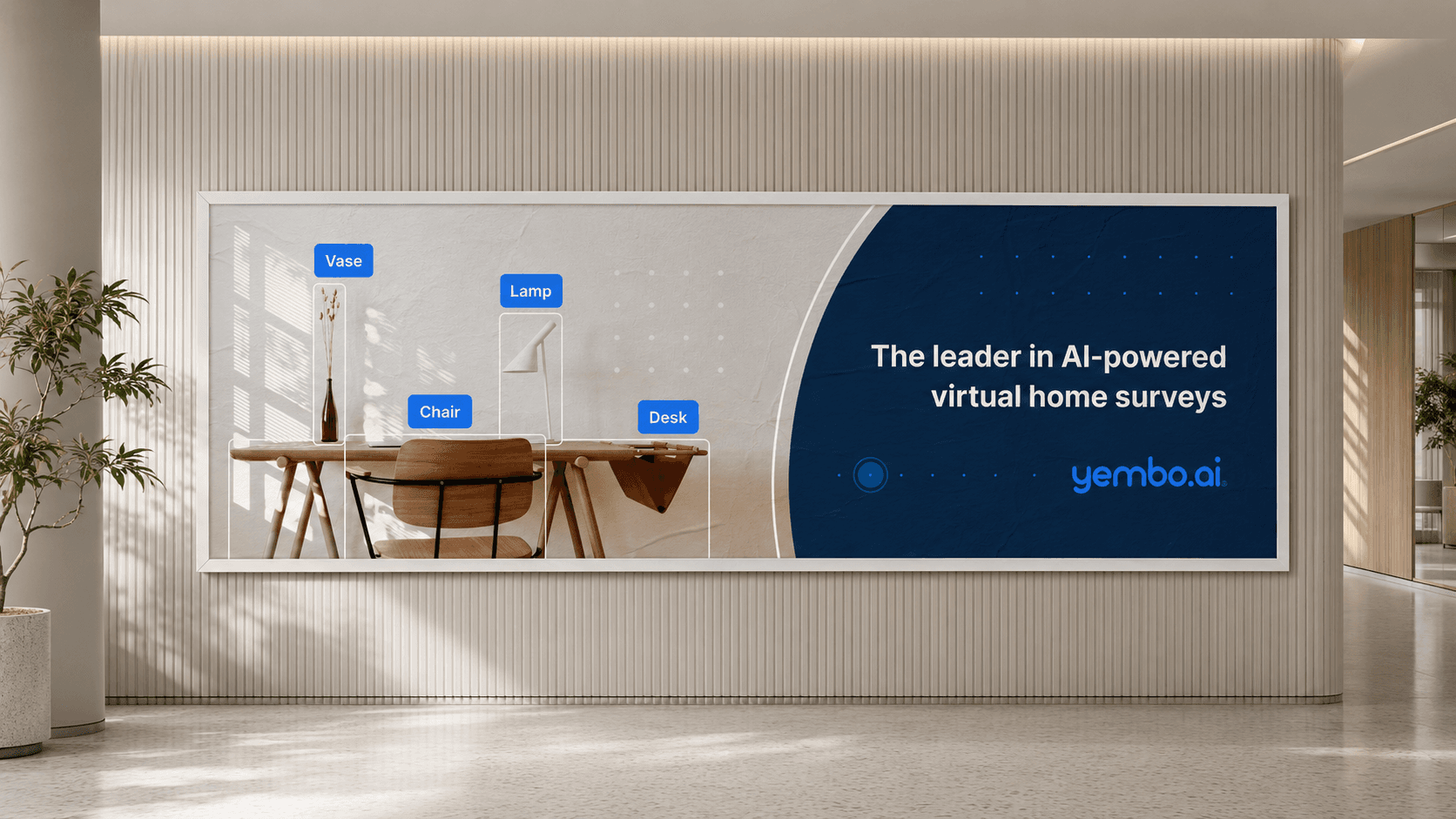
Event design brought its own constraints: long-distance readability, limited copy, and recognition in crowded exhibition halls. Large-format graphics, booth panels, screen displays, and event materials translated the same digital-first system into physical space.

09 — OUTCOMES
What the work changed
One visual language extended across sales, web, social, events, and selected product touchpoints. Technical product information became easier for non-technical audiences to understand, while reusable campaign families and page patterns helped the team produce new materials faster.
Consistency
One visual language extended across sales, web, social, events, and selected product touchpoints.
Clarity
Technical product information became easier for non-technical audiences to understand.
Reusability
Marketing teams received repeatable visual patterns — campaign families and page templates — instead of one-off assets.
Speed
New materials could be produced faster because hierarchy, imagery, and layout decisions were already made.
10 — REFLECTION
Consistency comes from systems, not static rules
Consistency in a B2B company cannot come from a static set of brand rules alone. It has to come from systems that accommodate different audiences, product stories, content densities, and production timelines.
Looking back, I would formalize the reusable components earlier and introduce a shared campaign and presentation library to reduce duplication across teams.